
Comprehensive Masonry Remediation Methodologies Ensuring Prestigious Interior Finishes
Wall fissures manifest frequently across residential frameworks throughout Pakistan. Neglecting early signs transforms superficial plaster blemishes into severe structural liabilities. Fissures traversing living environments or ceilings degrade expensive decorative coats while facilitating moisture ingress, reinforcing steel oxidation, and gradual structural destabilization.
Discerning specific crack etiologies alongside applying industrial-grade polymeric treatments guarantees structural stabilization and preserves asset value.
1. Classifying Structural Etiologies: Primary Fissure Classifications
Executing chemical intervention requires precise diagnostics. Remedying load-bearing structural failures with basic aesthetic compounds constitutes an operational hazard.
Non-Structural Plaster Fractures
These micro-fissures appear as hairline networks across internal plaster surfaces, predominantly induced by cyclic thermal expansion or rapid desiccation during initial construction curing. While aesthetically detrimental, these localized fractures compromise no structural load capacity.
Differential Settlement and Structural Fissures
These distinct, wide apertures frequently orient diagonally across masonry panels, originating near structural stress points like door frames and window lintels. These gaps signify active subsoil settlement or foundation displacement. Left untreated, these voids accelerate atmospheric moisture penetration, instigating severe carbonation and concrete spalling via rebar corrosion.
2. Advanced Remediative Engineering: Sika SBR Polymer Integration
Arresting structural degradation requires superior tensile strength and adhesion; standard sand-cement mortars lack sufficient elasticity and cohesive properties. Specialized elastomeric chemical modifications remain mandatory.
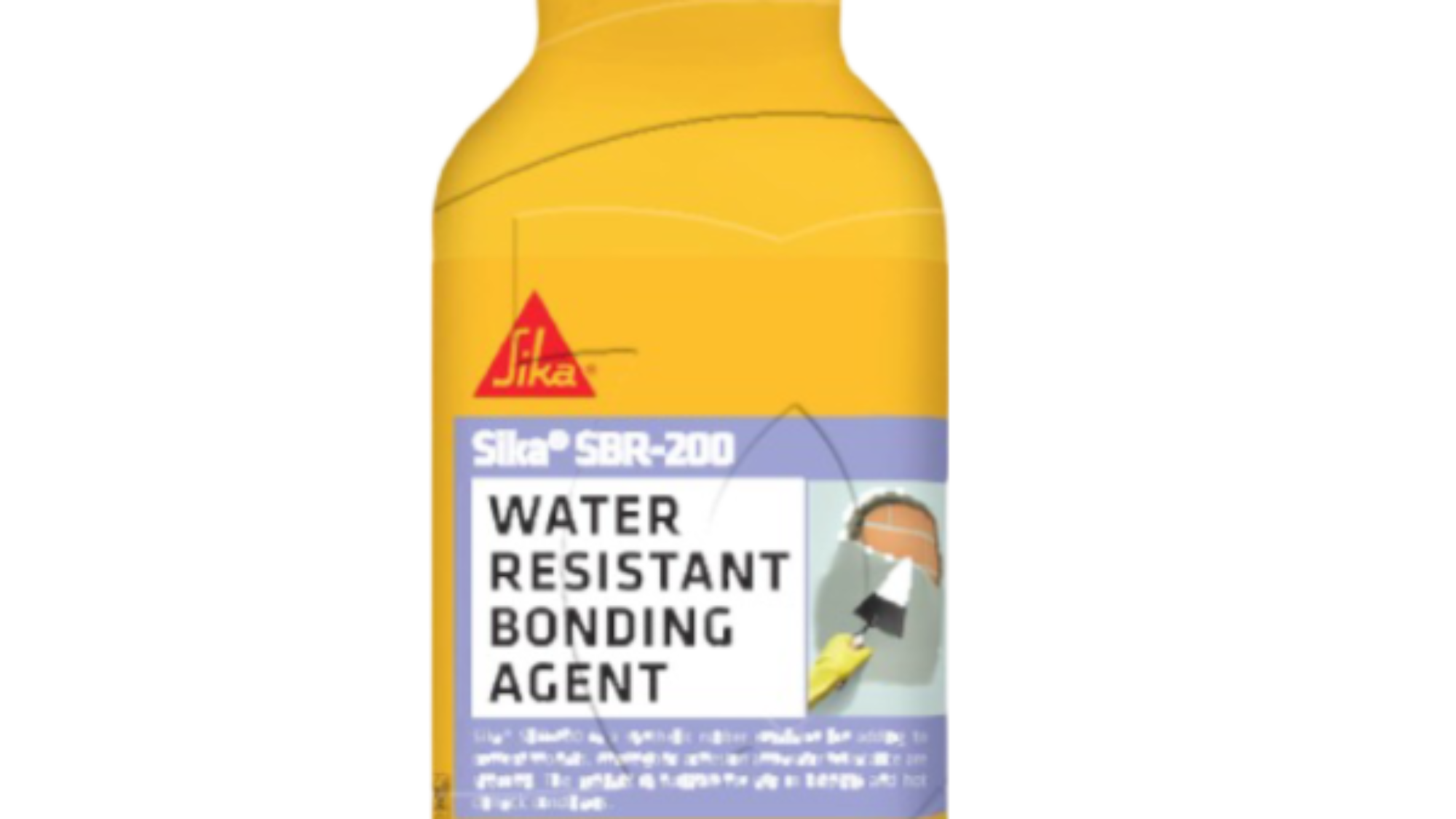
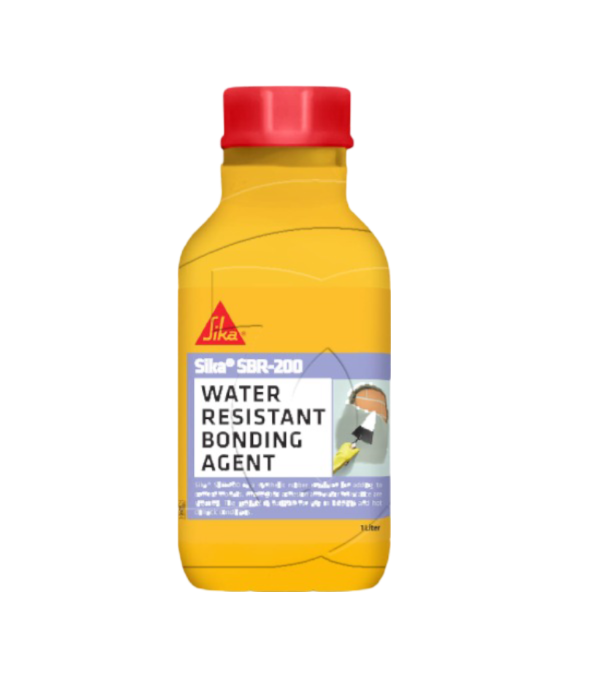
For high-performance, durable maintenance, Sika Latex SBR (Styrene-Butadiene Rubber) serves as the definitive polymer modifier. This premium, water-resistant elastomeric emulsion transforms standard cementitious matrices into resilient, impermeable protective barriers.
Strategic Advantages of Sika Latex SBR Polymer Modification:
- Impermeable Waterproofing: Seals macro-capillaries within the mortar, isolating internal steel reinforcement from moisture.
- Substrate Adhesion: Engineering a powerful chemical bridge ensures newly applied repair mortars adhere permanently to legacy concrete.
- Elastomeric Elasticity: Permits microscopic structural movement, absorbing cyclic thermal stress without structural failure.
3. Execution Protocol: Achieving Substrate Uniformity and Premium Finishes
To eliminate fissures permanently and achieve an impeccably smooth substrate optimized for high-end coatings, execute this precise multi-step chemical application:
- Mechanical Chasing: Utilize an angle grinder or mechanical chisel to trace the fracture line, creating a deep “V”-groove profile. Purge all residual dust, fractured aggregates, and friable material.
- Bonding Slurry Application: Synthesize a high-tack bonding paste combining Sika Latex SBR, neat Portland cement, and minimal hydration. Brush this slurry directly into the primed groove to function as a high-strength chemical anchor.
- Polymer-Modified Mortar Placement: Integrate Sika Latex SBR directly into the sand-cement repair mortar formulation. While the underlying bonding slurry remains wet, pack this modified compound firmly into the chased cavity.
- Substrate Leveling: Following complete chemical curing, apply a premium interior compound (such as Maple Leaf HD Putty). Hand-sand using fine-grit silicon carbide paper to attain a level, uniform finish ready for high-performance architectural coatings.
Utilizing premium industrial compounds like Sika Latex SBR ensures structural longevity, safeguarding architectural assets against future degradation https://royalcorporation.pk/?s=sika+sbr